
A Visual Story
The Art of
Advertising
From a spark of insight to a moment of connection.
This is the journey every great advertisement takes — whether it appears in a magazine, on a billboard, or in a Google search.
Chapter One
The Spark
Every campaign begins with an insight
Before any dashboard is opened, before any budget is set, there's a moment. Someone recognizes a gap — between what people need and what exists. A frustration unaddressed. A desire unfulfilled. This is where advertising has always begun. Not in technology, but in human understanding.

Advertising is fundamentally persuasion, and persuasion happens to be not a science, but an art.
— Bill Bernbach, DDB
The spark becomes a strategy. The strategy needs a document.
Chapter Two
The Brief
Where strategy meets creativity
Every great campaign starts with a great brief. Not a Google Ads setup wizard — a real creative brief that defines what you're trying to achieve, who you're talking to, and what success looks like. This discipline hasn't changed since the golden age of advertising.
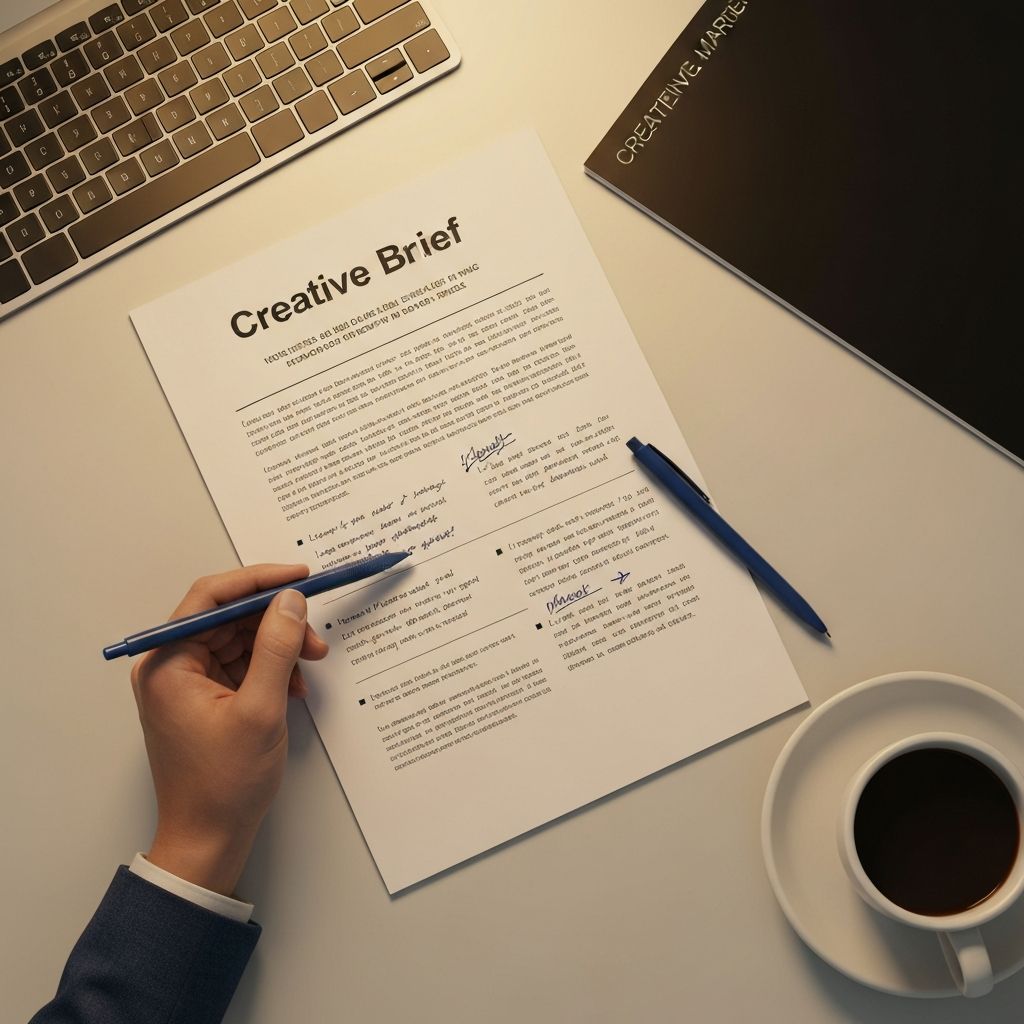
But who are we talking to?
A great brief answers this question in detail.
Chapter Three
The Audience
Who are we really talking to?
Google's targeting options are powerful, but they're just a filter. The real magic happens when you deeply understand the human beings behind the clicks — their frustrations, their aspirations, their daily rituals. This is audience research, and it predates digital advertising by decades.

The Morning Ritualist
Age 32 • Values quality over convenience
Pain Point
Tired of stale grocery store coffee
Desire
A premium experience at home
The Curious Explorer
Age 28 • Loves discovering new things
Pain Point
Bored with the same old options
Desire
Unique origins and flavor profiles
The Busy Professional
Age 41 • Time-poor, quality-conscious
Pain Point
No time to hunt for good coffee
Desire
Reliable delivery of great products
"In Google Ads, this becomes your targeting. But it starts as empathy."
The consumer isn't a moron; she is your wife. Don't insult her intelligence.
— David Ogilvy, 1963
Now we know who we're talking to. What do we say? What do we show?
Chapter Four
The Craft
Words and images working together
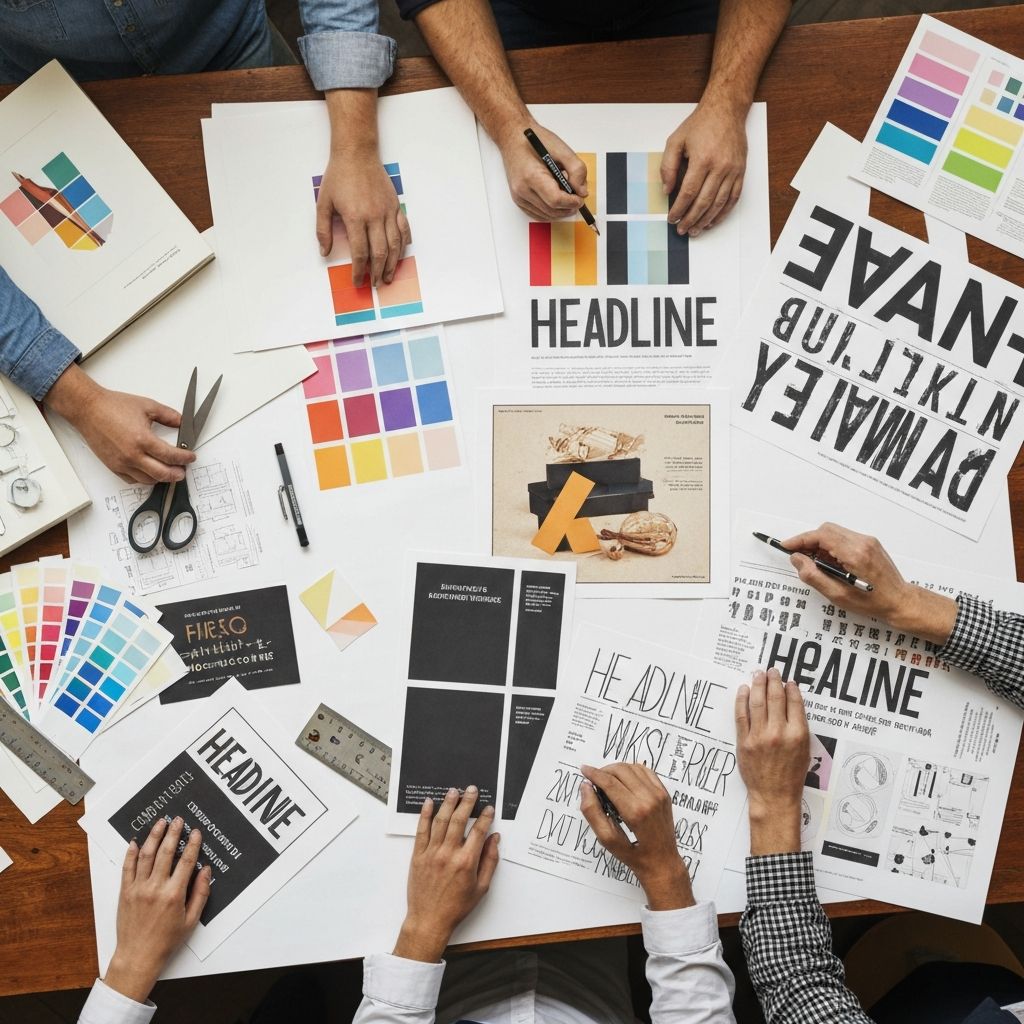
The Words
Great copy doesn't happen by accident. It comes from understanding your audience so well that you know exactly which words will stop them mid-scroll. The headline is your first impression. The description is your promise. The call-to-action is your invitation.
Headline Evolution
Buy Our Coffee Online
Fresh Roasted Coffee Delivered
Wake Up to Coffee That Was Roasted Yesterday
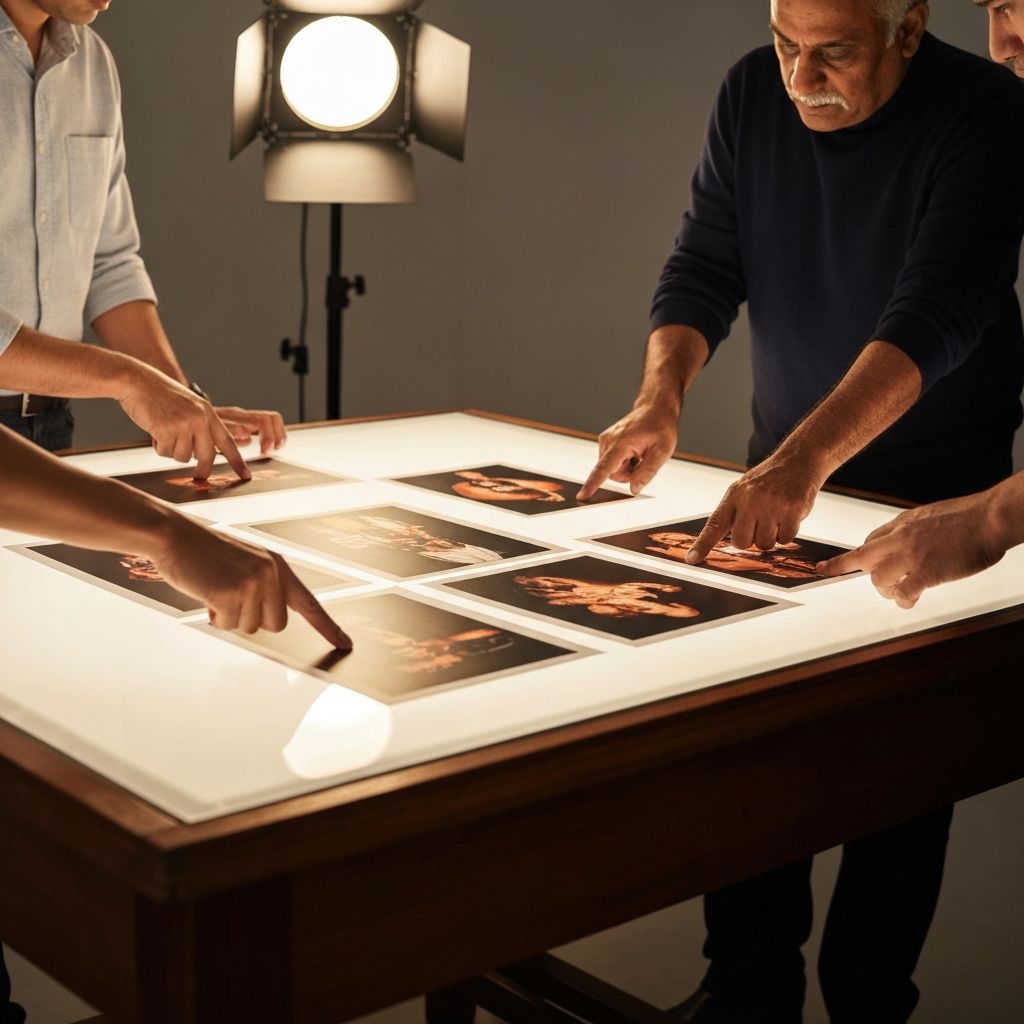
The Images
A picture is worth a thousand words — but only if it's the right picture. Visual selection is an art form. Does the image evoke emotion? Does it complement the headline? Does it show the transformation your customer desires? This applies whether you're choosing a hero shot for a magazine spread or a display ad image.
Image Selection Criteria
Shows the moment of enjoyment, not just the product
Warm lighting that evokes morning comfort
Real person, authentic expression
The Storyboard
Before any ad goes live, the creative team maps out the narrative. Even a simple search ad tells a story: problem, solution, action. A display campaign might need visual storyboarding to ensure the message unfolds across multiple touchpoints.
This is the same process used for TV commercials, magazine campaigns, and billboard sequences. The medium changes; the discipline doesn't.

Chapter Five
The Test
What resonates? Let the audience decide.
Before the age of digital, advertisers tested headlines with focus groups, ran split tests in different markets, and measured response rates from different versions. Today we call it A/B testing, but it's the same scientific approach to creative — let the audience tell you what works.

Wake Up to Coffee Roasted Yesterday
https://artisancoffee.com › shop
Fresh-roasted single origin beans delivered weekly. Start your morning ritual right.
Click-Through Rate
3.2%
Conversion Rate
2.1%
The Insight
Variant B wins because it leads with the pain point ("Tired of stale coffee?") rather than the feature ("Fresh roasted"). This is classic copywriting wisdom — agitate the problem before presenting the solution.

The Digital Advantage
What used to take weeks of focus groups and market tests can now happen in real-time. Google Ads lets you run multiple variants simultaneously, automatically shifting budget toward winners. But the principle is unchanged: test, learn, optimize.
The best marketers treat every campaign as an experiment. Every headline is a hypothesis. Every image is a test. The data just comes faster now.
In advertising, not to be different is virtually suicidal.
— William Bernbach
Chapter Six
The Pitch
Selling the vision to stakeholders
Great creative work dies without great presentations. Whether you're pitching to a client, getting approval from leadership, or aligning your team — the ability to sell your ideas is as important as the ideas themselves.
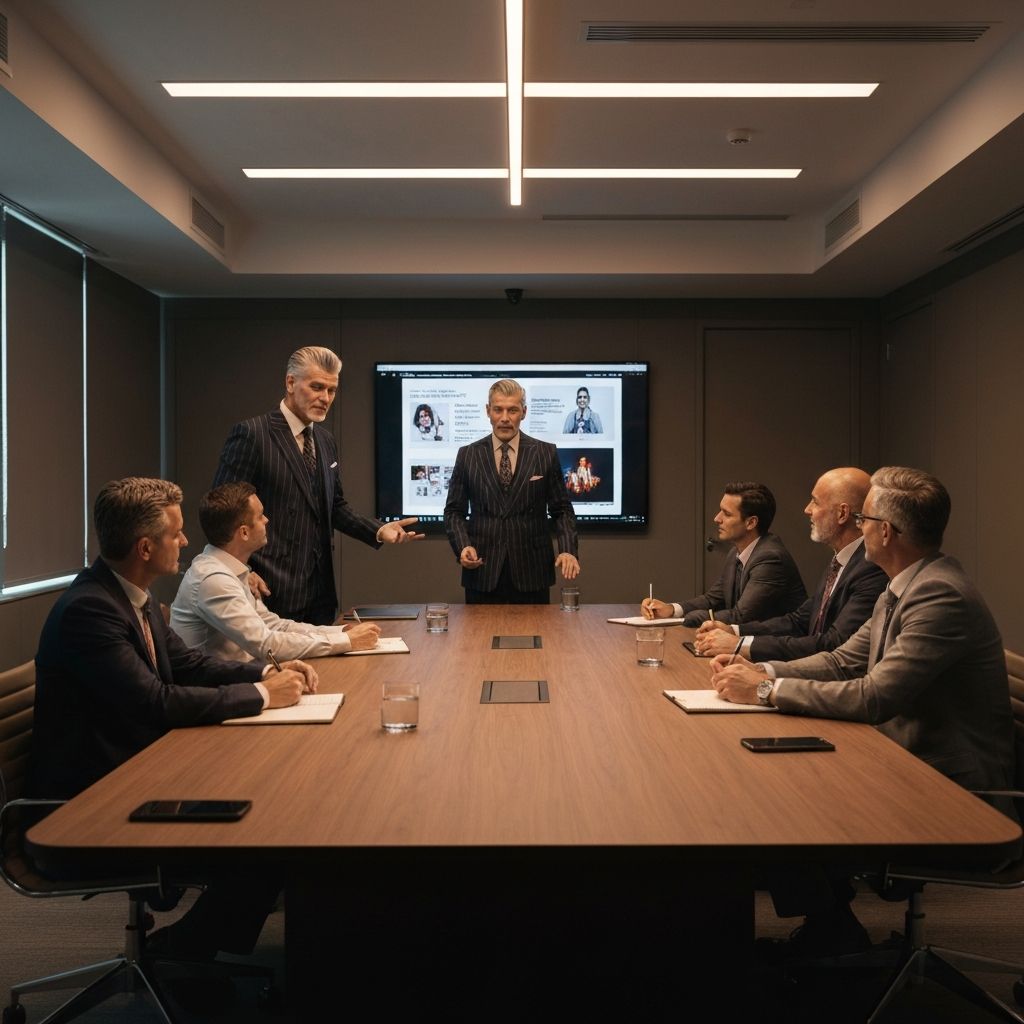
"This isn't a Google Ads meeting. It's a creative presentation — and the skills are the same as they've always been."
The Art of the Presentation
Set the Stage
Remind stakeholders of the business challenge and what success looks like
Show the Insight
Present the audience research — make them feel who we're talking to
Reveal the Strategy
Explain the creative approach and why it will resonate
Present the Work
Show the ads in context — how they'll appear to real people
Build Confidence
Share test results, comparisons, and the path to optimization

The moment of buy-in — when strategy becomes reality
You've written the brief. You know the audience. You've crafted the words and chosen the images. You've tested and you've pitched. Now, before we hit 'publish' on that Google Ads campaign...
Let's step back. Way back.
Interactive Experience
Build an Ad
Choose a headline, image, and call-to-action
Watch how your choices come together as both a classic magazine ad and a modern Google ad. The elements are the same — only the canvas changes.
1Choose Your Headline
2Select Your Image
product style
3Pick Your Call-to-Action

Wake Up to Coffee Roasted Yesterday
Ethically sourced, perfectly roasted, delivered to your door.
Notice Something?
The same headline, image, and CTA work in both formats. The principles of persuasion don't change based on where the ad appears.
Chapter Seven
Wait. Haven't We Done This Before?
Before we hit publish, let's step back. Way back.
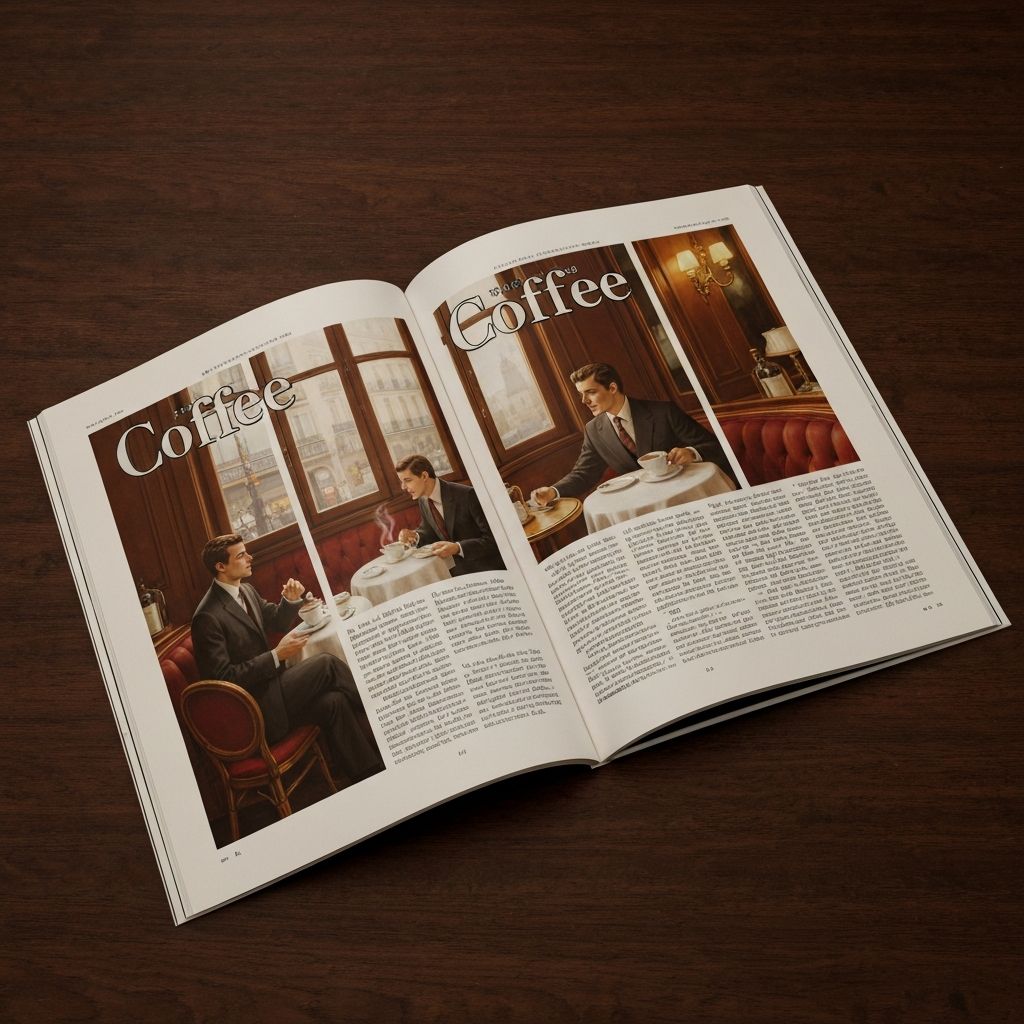
1965
Understand the audience
Write a compelling headline
Choose the right visual
Place where they'll see it
Measure what works

2025
Define your target audience
Write compelling ad copy
Select the right creative
Choose your placements
Track performance
The platform changed. The dashboard changed. The terminology changed.
The craft never did.
Different Formats, Same Principles
Types of Ads Through Time
Every "new" digital ad format has a traditional ancestor. The technology changes, but the underlying psychology and purpose remain constant.
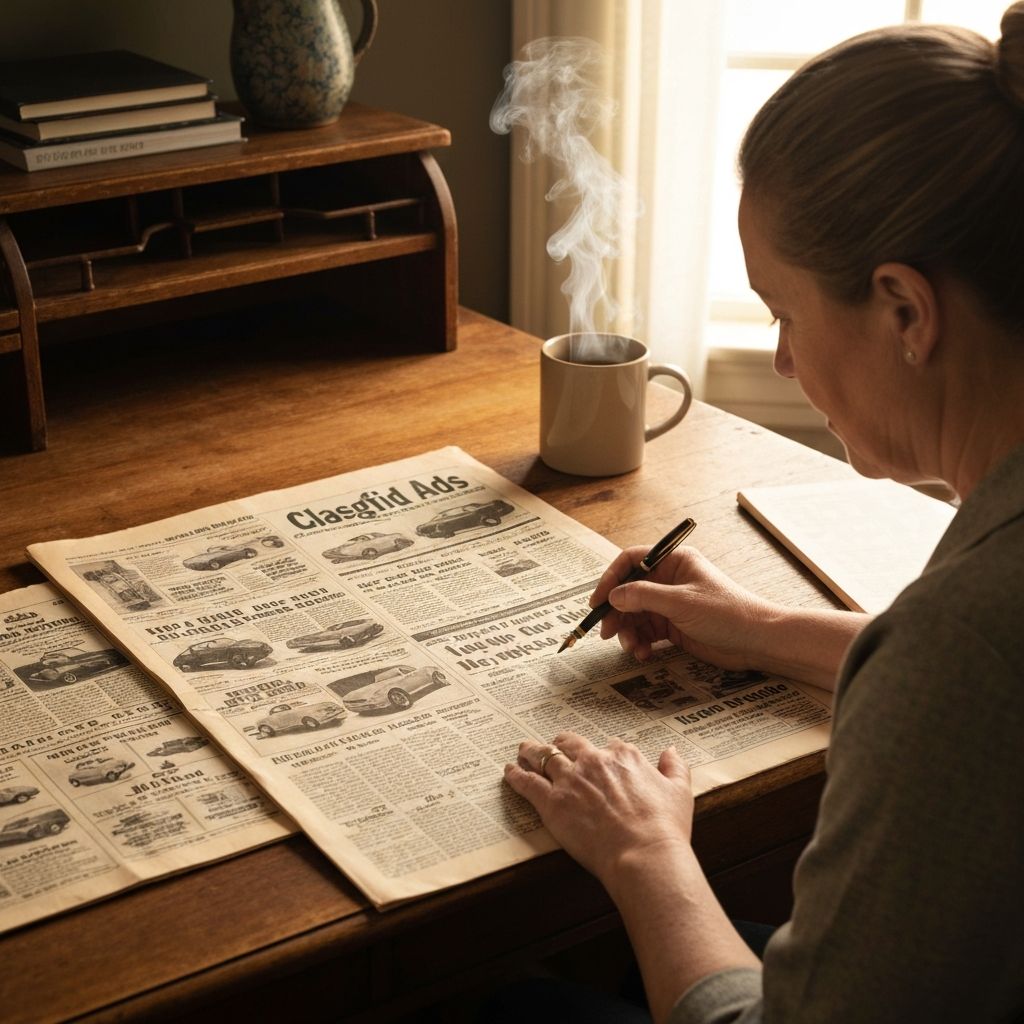
1900s - Today
Newspaper Classifieds
Text-based ads placed where people are actively looking for something specific. Intent-driven, direct response.
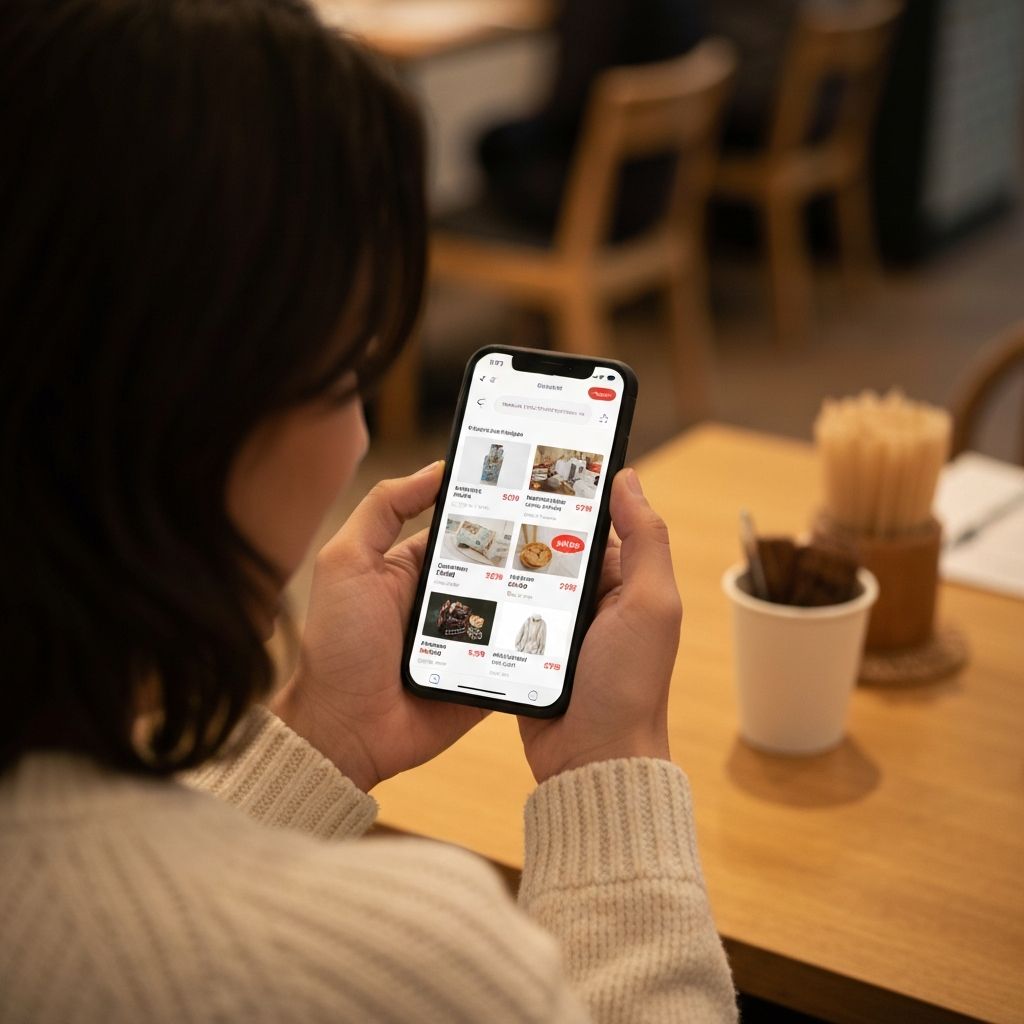
Google Ads
Google Search Ads
Text ads that appear when someone searches for keywords related to your product. Same principle: meet people where they're actively looking.
Google Search Ads
Evolved from newspaper classifieds
Display Ads
Evolved from magazine ads
Shopping Ads
Evolved from product catalogs
YouTube Ads
Evolved from tv commercials
A Century of Connection
The Evolution of Advertising
The canvas changes. The craft remains.
The Birth of Modern Advertising
Newspapers and magazines become the first mass media. Advertisers learn that headlines matter, images sell, and repetition builds brands.
The Enduring Principle
"Headlines that stop you. Images that sell."
Historical Example
Coca-Cola's newspaper ads establish the power of consistent brand imagery
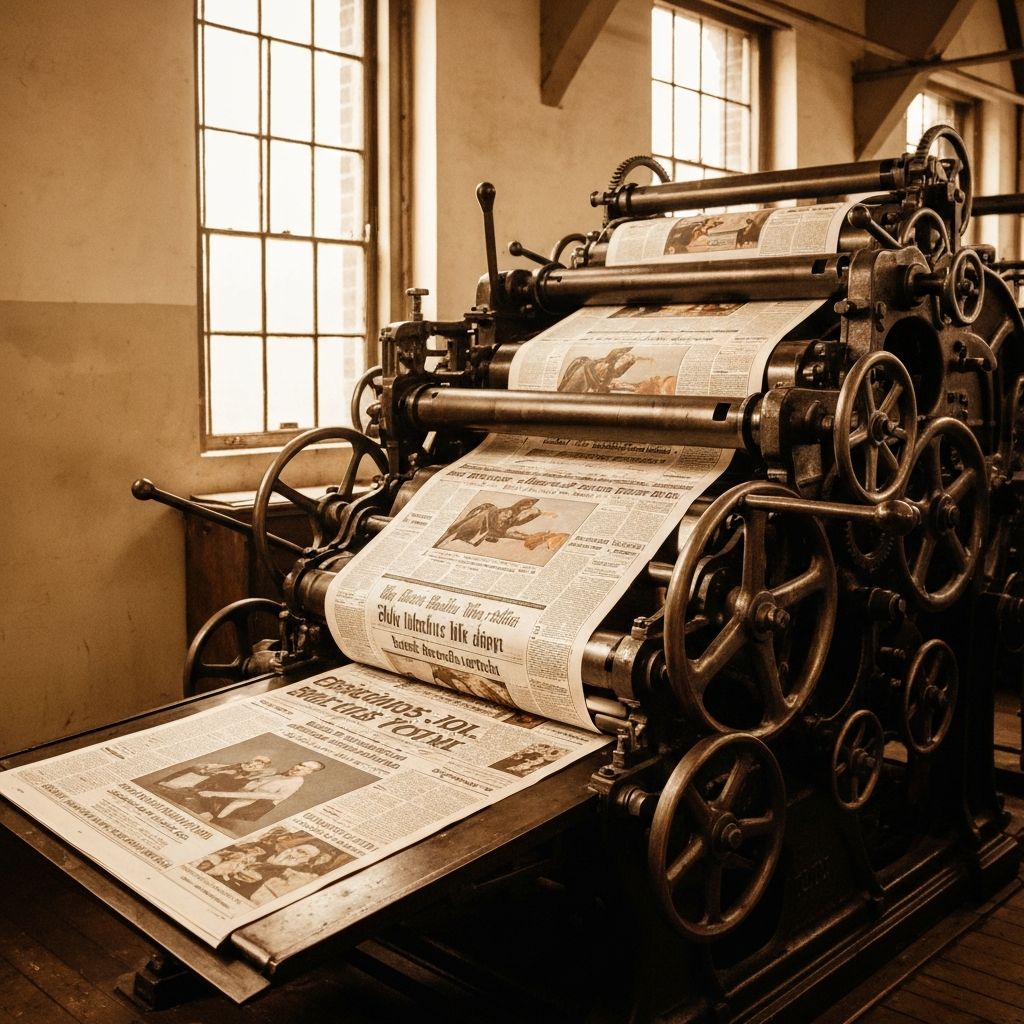
"From newspapers to search engines, the medium evolves but the mission stays the same: connect the right message with the right person at the right moment."
Learning from Legends
Campaigns That Changed Everything
They followed the same process. Here's how.
1997
Apple
"Here's to the crazy ones."
Result: Transformed Apple from near-bankruptcy to the world's most valuable brand
The Brief
How Apple approached this step
Reposition Apple as the brand for creative visionaries, not just computer users
The Key Insight
"They didn't sell computers. They sold an identity. The product was barely mentioned."
These campaigns ran on TV, print, and billboards. Today, the same strategic thinking powers campaigns on Google, Instagram, and TikTok. The platforms change. The process doesn't.
Let's Get Practical
Anatomy of a Google Ad
Not a black box. Just an ad — with familiar parts you already understand.
Artisan Coffee Roasters | Fresh Roasted Weekly
Premium Single Origin Beans Delivered to Your Door
https://artisancoffee.com › shop › fresh-roasted
Discover why 10,000+ coffee lovers trust us for their morning ritual. Small-batch roasted for peak freshness. Free shipping on orders over $35. Subscribe & save 15%.
Headlines
Just like a magazine headline, this is your chance to grab attention. What would make someone stop scrolling? What speaks to their need?
Description
Your body copy. Expand on the promise, address the pain point, build desire. Same as any print ad.
Display URL
Shows where they'll land. Like the address at the bottom of a magazine ad.
Extensions
Extra information like phone numbers, locations, or links. Think of these as the sidebar details on a print ad.
The platform is just distribution. The idea is everything.
Chapter Eight
The Launch
From concept to the world

There's a moment in every campaign when all the strategy, creativity, and testing converges into action. The brief becomes reality. The personas become real people seeing your message.
In Google Ads, this is when you click "Enable Campaign." But the feeling is the same as it's always been — that mix of excitement and anticipation as your work goes out into the world.
And then, the moment you've been working toward...

The Moment of Truth
Somewhere, right now, someone is searching for exactly what you offer. Your ad appears. Your headline speaks to their need. Your image catches their eye.
This is the moment advertising has always been about — the connection between a message and someone who needs to hear it.
Chapter Nine
The Moment
When your message finds the person who needs it
She's on her phone during her morning commute. Tired. That third cup of coffee didn't help. She's been meaning to find a better solution for months.
She searches: "best coffee subscription."
Sponsored
Tired of Bad Coffee? We Were Too.
Ethically sourced, perfectly roasted, delivered to your door. First bag free.
That headline. It's like they know her. Because in a way, they do. Not her specifically — but people like her. The research. The personas. The testing. It all led to this moment.
She clicks.
0.8s
Time to decide
1
Person reached
∞
Moments like this
Chapter Ten
The Connection
From click to customer to advocate
She clicked. She converted. She became a customer. But the story doesn't end with a transaction — it begins there. Every touchpoint after that first click extends the narrative you started in that ad. The landing page. The confirmation email. The unboxing. The follow-up. Great advertising creates relationships, not just conversions.

People don't buy what you do; they buy why you do it.
— Simon Sinek
Remember
The Fundamentals
The Spark
Every campaign starts with an insight about what people need.
The Brief
Document your strategy before touching any platform.
The Audience
Know your people deeply. Targeting is just a filter for empathy.
The Words
Headlines, descriptions, CTAs — this is copywriting, not platform setup.
The Visuals
Images that evoke emotion, not just show products.
The Test
A/B testing is just the scientific method applied to creative.
The Pitch
Selling your ideas internally is as important as the ads themselves.
The Launch
When strategy meets reality — and your message finds its audience.
The End — and the Beginning
Advertising is
timeless.
The platforms change. The craft remains.
From print to radio, television to digital — the tools evolve, but the art of connecting ideas with people who need them never changes.
Master the brief. Know your audience. Craft the words. Choose the images. Test what resonates. Pitch with conviction. Launch with purpose.
The platform becomes just a tool in your hands.